If your cruise starts or ends in Tokyo, you are in for a treat. This incredible city is the perfect place to extend your trip by a few extra days. Many cruises around Japan start from Tokyo or nearby Yokohama, and after travelling all that way it makes sense to spend a little longer exploring.
I’ve visited Tokyo twice now, spending around two and a half weeks in the city in total and I still feel like I’ve only scratched the surface. Each time I’ve been, I’ve discovered new neighbourhoods, food, and experiences, which is exactly what makes Tokyo so special. There’s always something different to see and do.
From ancient shrines and tranquil gardens to neon-lit districts, futuristic attractions and some of the best food you’ll ever eat, Tokyo is a city of contrasts. Even with just a short stay of two or three days before embarking on your cruise, you can still experience highlights like Senso-ji Temple, Shibuya Crossing, and the city’s famous food scene.
This guide brings together some of the best things to do in Tokyo before or after your cruise, with practical tips, cultural highlights and a few personal experiences to help you make the most of your time in Japan’s capital.

A little bit about Tokyo
Tokyo is one of the most exciting cities in the world, and honestly one of the hardest to sum up in just a few sentences. It’s a place where centuries-old shrines sit alongside futuristic skyscrapers, where you can wander from tranquil gardens straight into buzzing neon-lit districts. Somehow, it all works and that’s what makes it so unforgettable.
The city was originally called Edo before being renamed Tokyo in 1869 when it became the nation’s capital. Today, the wider Tokyo area is home to nearly 40 million people, making it the largest metropolitan area in the world.
Tokyo’s scale can seem daunting, especially if you’re only here before or after a cruise. But even with a short stay, it’s easy to fit in the city’s key highlights and still experience the blend of history, modernity and buzz that makes Tokyo so unforgettable.
How many days should you spend in Tokyo?
The truth is, you could spend weeks in Tokyo and still only scratch the surface. I’ve visited twice now and spent just over two weeks in the city in total, and I’m still finding new things to do every time. That’s part of what makes Tokyo so special — there’s always another neighbourhood to explore, a different food to try, or a hidden corner to stumble across.
For a short stay of three to four days (before or after your cruise), you’ll be able to see many of the city’s highlights — a couple of shrines or temples, an observation deck for those sweeping skyline views, and time to wander through districts like Shinjuku or Shibuya. It’s enough to give you a great first taste of the city.
If you’re able to stretch to five or six days, you’ll have more flexibility to see a wider mix of attractions. That gives you time to explore more neighbourhoods, visit museums or art galleries, try different food experiences, and maybe even take a day trip or relax in an onsen (hot spring).
Whatever length of stay you choose, Tokyo will leave you wanting more. It’s the kind of city that stays with you long after you’ve left.
At a glance – Tokyo highlights
Tokyo is huge, and you’ll never see it all in just a few days but that’s part of the fun. Each visit I’ve managed to tick off some of the big sights while still stumbling across little surprises along the way. Here are some of the highlights I think are worth adding to your first Tokyo itinerary:
- Visit a shrine or temple – Senso-ji and Meiji Jingu are two of the most famous, and both give you a glimpse of traditional Japan right in the middle of the city.
- Get an aerial view of the skyline – whether it’s the Skytree, Tokyo Tower, or the newer Shibuya Sky, the views are unforgettable (and on a clear day you might even spot Mount Fuji).
- Wander through a Japanese garden – places like Shinjuku Gyoen or Hamarikyu Gardens are a peaceful break from the buzz of the city.
- Cross Shibuya Crossing – it’s busy, chaotic and iconic all at once. Watching from above is just as much fun as walking it.
- Explore the shopping districts – from quirky Harajuku to glitzy Ginza, each has its own personality (and plenty of temptations).
- Try the food – whether it’s sushi, ramen, yakitori or just something random from a convenience store, eating in Tokyo is half the adventure.
Top things to do in Tokyo
Shrines and temples: A glimpse of traditional Tokyo
Meiji Jing
Right in the heart of Tokyo, Meiji Jingu is one of Japan’s most famous Shinto shrines. Built in the 1920s to honour Emperor Meiji and Empress Shoken, it’s surrounded by a huge forest that was planted by over 100,000 volunteers. Walking up the long approach path, shaded by towering trees, it’s easy to forget you’re in one of the busiest cities in the world.
The shrine itself is a beautiful example of traditional wooden architecture, and even though it can get crowded, it still feels peaceful. If you can, go early in the morning as it’s much quieter and you really get to enjoy the atmosphere.

Senso-ji
If you only have time for one temple in Tokyo, make it Senso-ji. It’s the city’s oldest temple and easily one of the most impressive.
Start at the Kaminarimon Gate, with its giant red lantern, which is the perfect photo spot. First built over 1,000 years ago, the gate has been destroyed and rebuilt several times, with the current version dating back to 1960. Standing over 11 metres tall and just as wide, it is an impressive sight. The huge red-and-black lantern hanging in the centre is so large it can actually be collapsed if needed. Do not forget to look up as you walk underneath, as the wooden carvings at the base are beautiful and often overlooked.

From here, a long path leads up to the temple. Nakamise Street, which runs along this route, is almost an attraction in its own right. Lined with small shops selling souvenirs and snacks, it is busy, colourful and full of atmosphere.

Inside the grounds you’ll find more gates, the main hall, and a striking five-story pagoda. Each visit feels a little different. I have been in the early morning when it was peaceful and quiet, and in the evening when the buildings were beautifully lit and the crowds had gone. If you are visiting during cherry blossom season, do not miss the tree just inside the inner grounds as it looks beautiful in full bloom.

Tip | Head to Senso-Ji in the evening. It will feel like you almost have the complex to yourself and the temple looks stunning illuminated.
Where to find the best views of Tokyo
One of the best ways to get an idea of the scale of a city is to visit a viewing platform or observation gallery on a tall building. You have a couple of options in Tokyo, each within different areas of the city.
Tokyo Skytree
The Tokyo Skytree is the tallest tower in Japan and one of the tallest in the world. Its two observation decks provide 360-degree views of the city that stretch for miles. On a clear day Mount Fuji is often visible in the distance.
At the base you’ll find a shopping and dining complex where you can easily spend a few hours. The Skytree is incredibly popular and can get very busy, so it is worth booking tickets in advance to secure your preferred entry time. When I visited, I could only get a later slot and had to wait around, which is fine if you have time, but not ideal if your schedule is tight.


Tokyo Tower
Tokyo Tower may have been overtaken in height by the Skytree, but it remains one of the city’s most recognisable landmarks. Its design was inspired by the Eiffel Tower in Paris, although it is painted bright orange and white to meet aviation regulations. At the base there are restaurants, shops and a small attraction area, making it a fun spot to explore after you have enjoyed the view.

Shibuya Sky
Shibuya Sky is one of Tokyo’s newest observation decks and has quickly become a favourite on Instagram and TikTok. Located on top of Shibuya Scramble Square, it offers an open-air, unobstructed view over the city along with a bird’s-eye look at the famous Shibuya Crossing. Sunset is especially popular, so expect crowds and queues at the photo spots. Tickets often sell out so booking ahead is recommended.
Tokyo Metropolitan Government Building
If you are travelling on a budget, you can still enjoy a spectacular view of Tokyo without spending anything. The Tokyo Metropolitan Government Building has a free observation deck with views of the skyline, including both the Tokyo Tower and Skytree. You also get a great perspective of the Meiji Jingu forest, which breaks up the sea of buildings below.
At the top there is a small café where you can grab a drink while enjoying the view, and a shop selling souvenirs.

Tokyo’s tranquil gardens
Tokyo can feel overwhelming at times, so stepping into one of its traditional gardens offers a welcome break from the noise and neon. These beautifully landscaped spaces are perfect for slowing down and enjoying a calmer side of the city.
Shinjuku Gyoen National Garden
Once a private estate, Shinjuku Gyoen opened to the public in 1946 and is one of Tokyo’s most popular green spaces. It blends Japanese, English and French landscaping, with ponds, bridges and wide lawns. The garden is stunning year-round but is especially famous for cherry blossom season when the trees are in full bloom.
Hamarikyu Gardens
This large landscaped garden has a unique feature. Its central pond is filled with water from nearby Tokyo Bay, making it the only remaining tidal pond in the city. The water level rises and falls with the tide, which adds an unusual twist to the scenery.
Originally built in the Edo period, Hamarikyu is known for its seasonal flowers and plum blossom trees, which bloom before the cherry blossoms. Skyscrapers loom in the background, giving the gardens an almost surreal contrast between nature and modern Tokyo.


Tokyo’s best museums and art experiences
Tokyo has no shortage of museums and galleries, ranging from traditional to quirky. If you want to see a different side of the city beyond temples and shopping, these spots are well worth adding to your itinerary.
Yayoi Kusama Museum
Dedicated to one of Japan’s most famous contemporary artists, this small but striking museum showcases Yayoi Kusama’s work, including her iconic polka dots and infinity mirror installations. Tickets are timed entry and must be booked in advance, so it’s worth planning ahead if you want to visit.
teamLab Planets
One of Tokyo’s most popular attractions, teamLab Planets is an immersive digital art experience where you walk barefoot through water, mirrored spaces and rooms filled with ever-shifting light displays. It feels more like stepping into another world than a traditional museum, and it’s become a huge hit on Instagram. Advance booking is recommended, especially in peak travel months.
teamLab Borderless
The original teamLab installation, teamLab Borderless, was once located in Odaiba and quickly became one of the most talked-about attractions in Tokyo. After closing temporarily, it reopened in central Tokyo in 2024 with even more large-scale, interactive digital artworks. Unlike Planets, where you follow a set route, Borderless lets you wander from room to room, with the installations constantly changing around you — no two visits feel the same.
I visited Borderless and spent a few hours inside and honestly have stayed longer. There’s so much to explore, and the mix of light, sound and movement makes it a really memorable experience.
Tokyo National Museum
If you’d like to explore Japan’s history and culture in more depth, the Tokyo National Museum is the place to go. It’s the oldest and largest museum in Japan, with collections ranging from samurai armour and swords to centuries-old artwork and calligraphy. Located in Ueno Park, it’s a great stop if you’re also planning to explore the park’s other museums or the zoo.
When I visited, I caught a special Hello Kitty exhibition and had a brilliant time. It explored the history of the character, her global popularity, and even showcased the huge variety of merchandise that’s been produced over the years. It was such a fun and unexpected contrast to the museum’s more traditional displays.
Shopping in Tokyo – from quirky to luxury
Tokyo is a shopper’s paradise. Whether you’re after high-end luxury, quirky street fashion, electronics, or just fun souvenirs, there’s a district for every taste.
Ginza
Tokyo’s luxury shopping district is home to flagship stores, designer brands, and some seriously impressive architecture. Even if you’re not in the mood to shop, strolling along Ginza’s wide streets at the weekend (when some are closed to traffic) is an experience in itself. Don’t miss Uniqlo’s 12-storey flagship store — complete with a café if you need a break
Harajuku
Famed for its colourful street fashion and youth culture, Harajuku is full of energy. Takeshita Street is the heart of it all, lined with shops selling quirky accessories, sweets, and enormous crepes. When I visited, it was so busy we could do little more than shuffle along. Fun, but intense! If you want to avoid the worst of the crowds, head there earlier in the day just after the shops open.

Omotesando Avenue
Often called Tokyo’s Champs-Élysées, this tree-lined avenue is all about luxury shopping with eye-catching architecture. Flagship stores for international fashion brands compete for attention with dramatic window displays, making it worth a wander even if you’re just window shopping.
Shibuya
One of Tokyo’s most famous districts, Shibuya is packed with shops, department stores, and boutiques. I loved browsing Tokyu Hands and Shibuya Loft, both multi-floor treasure troves of crafts, stationery, and lifestyle goods. Music fans should head to Tower Records, a huge eight-floor store packed with J-Pop, vinyl, and international albums in Japanese editions. I managed to pick a few albums from my favourite artists. If you’re visiting with teens, don’t miss Shibuya 109 for the latest youth fashion trends.
Shinjuku
Home to the world’s busiest train station, Shinjuku is another major shopping hub, with huge department stores, underground malls, and neon lights that make the area buzz after dark. Just make sure you remember which station exit you used. With more than 200, it’s very easy to get lost!
Day trips from Tokyo worth adding to your itinerary
If you only have a few days in Tokyo, you might not want to leave the city at all. But if you do fancy a change of pace, there are some fantastic day trip options within a couple of hours of the capital.
Hakone
Hakone is one of the most popular escapes from Tokyo, known for its hot springs, views of Mount Fuji and mix of quirky attractions. Japan’s most famous volcano is notoriously shy, so catching a glimpse depends on luck and clear skies. Thankfully, even if Fuji doesn’t appear, there’s still plenty to do.

When I stayed for two nights, I found there was a great mix of culture and fun. The Hakone Open-Air Museum was a real highlight. I spent a few hours wandering among the sculptures and installations set in the mountains. It felt both relaxing and slightly surreal to be outdoors in such a unique gallery.
I also took the Hakone Ropeway over steaming volcanic valleys before boarding the bright red pirate ship across Lake Ashi. It’s touristy but fun, and the views from the deck were nice.
At the edge of the lake is Hakone Shrine, home to the famous torii gate that stands in the water. It’s one of Hakone’s most iconic sights, and when I visited there was a long line of people waiting for the perfect Instagram shot. I didn’t fancy queueing for ages, so I went to the side instead and still managed to get a photo – not the “money shot” but enough for a great memory.
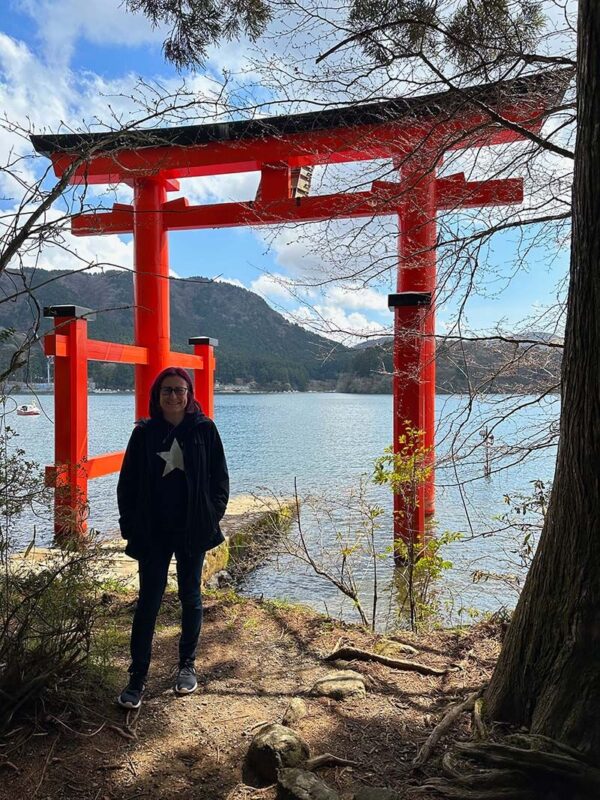
And of course, Hakone is also known for its onsen (hot spring baths). Soaking in the hot water while looking out at the scenery is the perfect way to end a busy day of exploring.
Nikko
Around two hours north of Tokyo, Nikko combines stunning natural scenery with cultural treasures. The UNESCO-listed shrines and temples here are among Japan’s most beautiful, and the area is especially popular in autumn when the surrounding forests turn vivid shades of red and gold.
Kamakura
South of Tokyo, Kamakura is a seaside city known for its historic temples and the famous Great Buddha of Kotoku-in, a giant bronze statue dating back to the 13th century. You’ll also find hiking trails, small shrines and even a couple of beaches if you’d like a dose of sea air.
Other options
If you want something a bit closer to Tokyo, consider:
- Yokohama – just half an hour from central Tokyo and also a major cruise port, so it’s especially relevant if your ship docks there. Highlights include Chinatown (the largest in Japan), the Cup Noodles Museum and the waterfront Minato Mirai district.
- Kawagoe – known as “Little Edo,” this small city is about 30 minutes from Tokyo and is full of preserved merchant houses, temples and a quirky Candy Alley selling traditional Japanese sweets.
What to eat in Tokyo: Ramen, sushi and more
One of the best parts of visiting Tokyo is the food. From steaming bowls of ramen to fresh sushi and smoky yakitori skewers, eating out is an experience in itself. Even if you’re only in the city for a few days, you’ll want to try as much as you can. Trust me!
Ramen
There’s nothing quite as comforting as a bowl of ramen, and with over 10,000 ramen houses in Tokyo, you’ll never be far from one. Every shop has its own style, from rich pork broth tonkotsu to lighter soy-based shoyu. I found myself always on the lookout for another bowl, and once you’ve had it here, it’s hard to settle for ramen at home again. It’s just not the same!

Sushi
You really can’t come to Tokyo without trying sushi. Before I visited Japan, I wasn’t much of a fan, but having sushi here completely converted me. Whether you go for a high-end omakase experience or hop into a fun conveyor-belt spot, the freshness and quality are on another level.

Yakitori
Yakitori simply means “grilled chicken,” but don’t underestimate it. Skewers of smoky, juicy chicken (often with different cuts or marinades) are the ultimate snack with a cold drink. You’ll find them everywhere, from street stalls to tiny izakayas.
Omoide Yokocho
For an atmospheric food experience, I’d recommend Omoide Yokocho, a maze of narrow alleyways filled with tiny bars and eateries. Lanterns hang overhead, smoke drifts from charcoal grills, and it feels like stepping back in time. I wandered through in the evening and it was packed with locals and visitors squeezed onto stools, enjoying yakitori, ramen and sake. It’s one of those places that really captures Tokyo’s energy, and definitely a must if you want a taste of “old Tokyo.”


Essential tips for visiting Tokyo
Tokyo is incredible, but it can also be overwhelming, especially on a first visit. A little preparation will make your time much smoother.
Don’t try to cram too much in
It’s tempting to plan out every hour, but with so much to see (and so many people around), you’ll enjoy yourself more if you pick just two or three main things each day. That way, you have time to wander, soak up the atmosphere, and avoid turning your trip into a mad rush.
Expect crowds and queues
Tokyo is busy, whether you’re at a shrine, in a shopping district, or lining up for food. The queues can look intimidating, but they usually move quickly and are part of the culture here.
As a Brit I thought I was good at queuing, but the Japanese take it to a whole new level. Everyone waits their turn patiently, and there’s no pushing in, even on busy train platforms.
Public transport
Tokyo’s trains and subways are brilliant, but also crowded at peak hours. If you can, plan journeys outside of rush hour, you’ll save yourself the crush and actually get a seat.
Language barrier
One of my biggest worries before visiting Japan was not speaking Japanese, but it turned out to be much easier than I expected. Most transport signs include English translations, many restaurants have English menus, and pointing at what you want gets you surprisingly far. People are also incredibly kind and helpful.
When I struggled to top up my train pass, a stranger stepped in and showed me what to do. Another time, a couple even spoke to a restaurant manager on my behalf to help us get a table. Small gestures like that made such a difference.
That said, learning a few simple phrases before you go is well worth it. A little effort goes a long way, and locals really appreciate it.
Cultural etiquette tips
A few little things are worth knowing before you go:
- Cash still matters: While Tokyo is modern, many smaller shops and food stalls prefer cash, so it’s handy to have some yen on you.
- Shoes off: You’ll be expected to remove your shoes in homes, temples, and some restaurants.
- Quiet on trains: Japanese trains are famously silent. Keep phone calls for later and switch your mobile to silent mode.
- Politeness counts: A small bow or even just a smile goes a long way when thanking someone.
The last word
If your cruise starts or finishes in Tokyo, it is absolutely worth adding a few days to explore the city. I have visited twice now and spent over two weeks here in total, and I still feel like I have only scratched the surface. From ancient temples and tranquil gardens to neon-lit streets and futuristic attractions, Tokyo is a city of contrasts that never stops surprising you.
Even a short stay before or after your cruise will give you the chance to experience some of its highlights, and I would not be surprised if, like me, you leave already planning your next visit.